


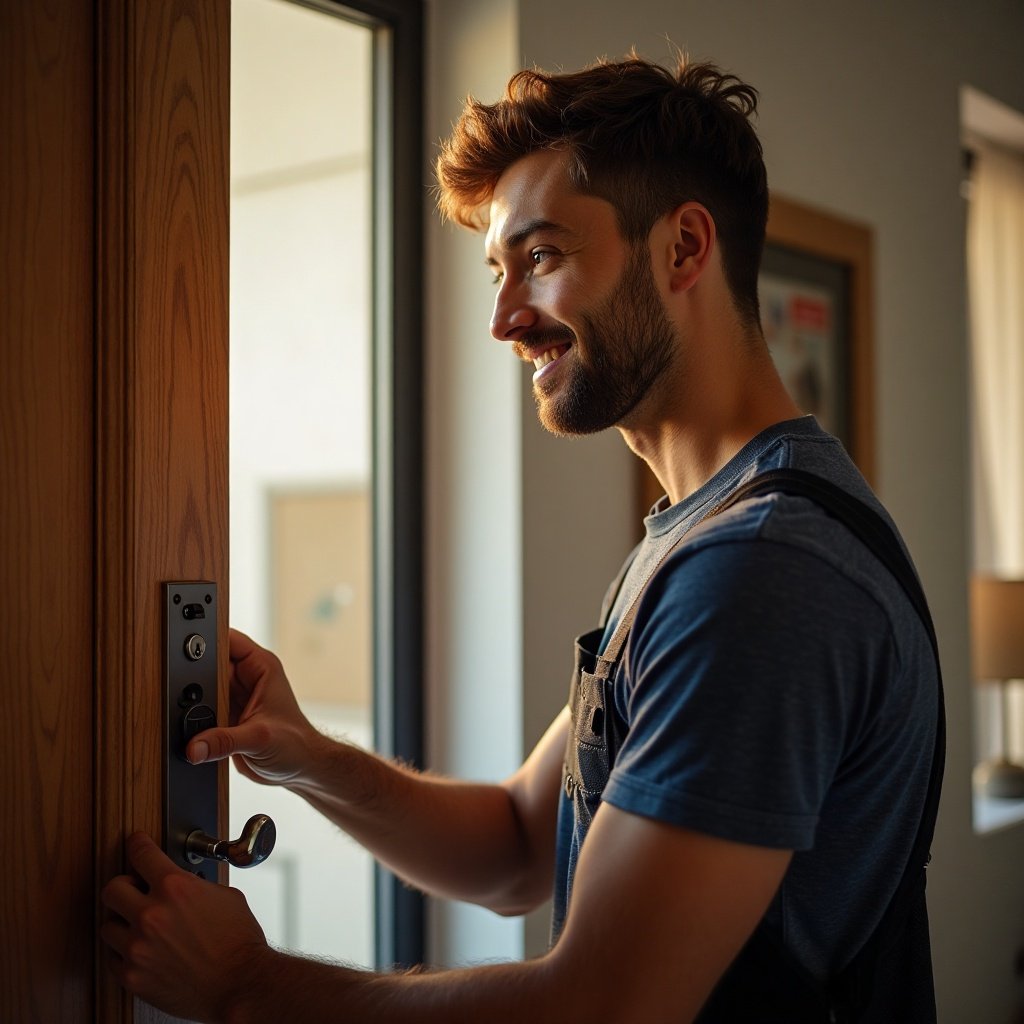
Getting locked out of your home, office, or car is one of those frustrating situations that can happen to anyone. The good news is that a skilled locksmith can usually get you back inside quickly, without leaving a single scratch on your door or lock. Understanding how they do it can help you appreciate the craft and know what to expect when you call for help.
Professional locksmiths train extensively to master non-destructive entry techniques. These methods protect your property while solving the problem efficiently. The goal is always to open the door without causing damage that would require costly repairs afterward.
This guide walks through the core techniques, tools, and professional standards that allow locksmiths to open locked doors cleanly and safely. Whether you are dealing with a standard deadbolt or a high-security lock cylinder, there is almost always a non-destructive solution available.
Understanding Modern Lock and Door Mechanisms
Before a locksmith can open any door without damage, they need to understand exactly what they are working with. Different lock types require different approaches, and misreading the situation can lead to unnecessary force.
Common Types of Residential and Commercial Locks
Locks come in many forms, and each one presents its own challenges. A residential locksmith regularly encounters pin tumbler locks, deadbolts, and door knob locks. A commercial locksmith often deals with mortise locks, electronic access systems, and high-security cylinders.
| Lock Type | Common Use | Entry Difficulty |
|---|---|---|
| Pin Tumbler Lock | Residential doors | Low to moderate |
| Deadbolt | Exterior doors | Moderate |
| Mortise Lock | Commercial buildings | Moderate to high |
| Smart Lock | Modern homes and offices | Varies |
| Disc Detainer Lock | High-security applications | High |
Knowing the lock type immediately shapes the locksmith’s strategy. Choosing the wrong tool wastes time and risks damaging the door frame or lock cylinder.
How Lock Components Work Together
A standard pin tumbler lock contains a series of spring-loaded pins inside the lock cylinder. When the correct key is inserted, it pushes each pin to the exact height needed to align the shear line, allowing the cylinder to rotate and the door to open.
Understanding this mechanism is the foundation of all non-destructive entry work. Every picking technique, bypass method, and impressioning approach relies on manipulating these components without breaking them.
Wafer locks and disc detainer locks operate on similar principles but use different internal components. Locksmiths study each variation to apply the right technique every time.
Door Construction and Why It Matters for Non-Destructive Entry
The door itself plays a major role in how a locksmith approaches the job. A solid wood door behaves differently from a hollow-core door or a steel commercial door. Frame construction, gap width, and hinge placement all affect which tools and techniques are practical.
If you are ever locked out of your house and waiting for help, avoid trying to force the door yourself. Improper force can warp frames and damage strike plates, making the locksmith’s job harder and your repair bill larger.
Door gaps, latch accessibility, and lock placement all factor into the entry plan. A professional assesses all of this before touching a single tool.
Non-Destructive Techniques Locksmiths Use to Open Doors
The techniques locksmiths use are the result of years of training and hands-on experience. Each method is designed to work with the lock’s existing mechanics rather than against them.
Lock Picking: Pin Tumbler, Wafer, and Disc Detainer Methods
Lock picking is the most recognized non-destructive entry technique. For a pin tumbler lock, the locksmith uses a tension wrench to apply light rotational pressure to the lock cylinder while using a pick to manipulate each pin individually.
Single pin picking is precise and methodical, while raking uses a serrated pick moved rapidly to set multiple pins at once. Raking is faster but less reliable on high-quality locks. Single pin picking takes longer but works on a wider range of security locks.
Wafer locks are common in filing cabinets and older door knob locks. They respond well to raking techniques. Disc detainer locks require specialized picks that rotate each disc to the correct position, demanding a higher skill level from the locksmith.
Using Lock Bypass Tools and Techniques
Lock bypass methods work around the lock mechanism entirely rather than manipulating it directly. A common example is using a thin shim or bypass tool to retract a spring latch without engaging the lock cylinder at all.
A bump key is another bypass tool. It is a specially cut key that, when struck sharply, causes the pins inside a pin tumbler lock to momentarily jump, allowing the cylinder to turn. Bump keys are effective on many standard locks but do not work on security locks with anti-bump features.
- Latch slipping tools for spring bolt locks
- Bump keys for standard pin tumbler locks
- Bypass cards for simple latch mechanisms
- Under-door tools for lever-handle locks
Each bypass method is chosen based on the specific door lock and situation. A skilled locksmith always selects the least invasive option first.
Leveraging Key Decoding and Impressioning
Key decoding involves reading the lock’s internal configuration to determine the correct key cuts without disassembling anything. Locksmiths use specialized decoders that insert into the keyway and measure pin heights directly.
Impressioning is a related technique where a blank key is inserted into the lock and manipulated under tension. The pins leave marks on the blank, and the locksmith files the key to match those marks. This process may take several attempts but produces a working key without damaging the lock. If you are curious whether a locksmith can create a key without the original, impressioning is one of the primary methods used.
Both techniques are especially useful when the customer needs a working key afterward, not just an open door.
Specialized Methods for High-Security and Smart Locks
High-security locks present a greater challenge. Brands with anti-pick pins, anti-bump features, and reinforced cylinders require advanced techniques and specialized tools. Some locksmiths use manipulation tools that apply precise feedback to identify pin positions without visual access.
Smart locks add another layer of complexity. Many can be opened through manufacturer bypass codes, app-based resets, or physical key overrides built into the design. An experienced locksmith understands these systems and can often restore access without touching the lock mechanism at all.
Tools of the Trade: Equipment That Prevents Damage
The right tools make all the difference between a clean entry and a damaged door. Professional locksmiths invest in quality equipment specifically designed for precision work.
Essential Manual Tools for Precision Work
A standard lock pick set includes several types of picks and tension wrenches. The tension wrench applies controlled rotational pressure to the lock cylinder while picks manipulate the internal components. Using too much tension is one of the most common mistakes that causes pin damage.
- Hook picks for single pin picking
- Rake picks for faster entry on standard locks
- Diamond picks for versatile applications
- Tension wrenches in multiple sizes for different keyways
- Plug followers for reassembly after cylinder removal
Quality tools flex appropriately and provide tactile feedback, which is essential for feeling pin movement inside the lock cylinder. Cheap tools break easily and can leave metal fragments inside the lock.
Advanced Diagnostic and Non-Invasive Entry Tools
Beyond manual picks, locksmiths use electronic pick guns, impressioning tools, and borescopes. An electronic pick gun vibrates rapidly inside the keyway, mimicking the effect of a bump key but with more control. Borescopes allow the locksmith to visually inspect the lock interior without disassembly.
Key decoders and plug spinners are also part of a professional’s toolkit. A plug spinner allows the locksmith to reverse the cylinder rotation quickly if they overshoot the shear line during picking, avoiding the need to start over.
Protective Techniques to Avoid Scratches, Dents, and Frame Damage
Tool selection is only part of protecting the door. Locksmiths also use protective pads and covers when working near painted surfaces or decorative hardware. Applying masking tape around the keyway prevents tool edges from scratching the door face.
When using under-door tools or bypass cards, locksmiths work slowly and deliberately to avoid bending the door frame or damaging the weather stripping. Knowing when a lock is worn enough to warrant replacement rather than repeated entry attempts also prevents unnecessary damage over time.
Safety, Legality, and Professional Ethics in Door Opening
Non-destructive entry techniques are powerful, which is exactly why they come with serious professional and legal responsibilities. A licensed locksmith operates within a clear ethical framework.
Verifying Ownership and Authorization Before Unlocking
Before opening any door, a reputable locksmith verifies that the person requesting service has the legal right to access the property. This typically involves checking a photo ID and confirming the address matches the request.
- Government-issued photo identification
- Proof of residence such as a utility bill or lease agreement
- Vehicle registration for automotive locksmith calls
- Business documentation for commercial locksmith requests
Skipping this step is not just unethical — it can make the locksmith legally liable for facilitating unauthorized entry. Reputable locksmiths take this seriously every single time.
Balancing Customer Convenience with Security Best Practices
An emergency locksmith understands that customers are often stressed and in a hurry. Speed matters, but it should never come at the expense of proper verification or technique. Rushing a lock picking attempt can damage pins and make the lock harder to use afterward.
After gaining entry, a good locksmith will also advise the customer on whether the lock should be rekeyed or replaced. Lock rekeying is often the most cost-effective option after a lockout, especially if there is any concern about key security. Understanding master key systems can also help property owners manage access more effectively across multiple doors.
When Destructive Entry Is the Last Resort
Lock drilling is the primary destructive entry method. It destroys the lock cylinder, allowing the door to open, but requires lock replacement afterward. Locksmiths only recommend this when non-destructive methods have failed or when the lock type makes them impractical.
Situations that may require destructive entry include severely damaged locks, broken keys lodged deep in the cylinder, and certain high-security locks that resist all picking attempts. If a key has broken off inside the lock, a locksmith will first attempt extraction before considering drilling. Lock replacement follows any destructive entry, restoring full security to the door.
Conclusion
Professional locksmiths combine deep mechanical knowledge, specialized tools, and practiced technique to open locked doors without causing damage. From lock picking and bypass methods to key impressioning and smart lock resets, the range of non-destructive options available to a trained locksmith is impressive.
The best outcome for any lockout situation is a clean entry, a working lock, and a customer who feels secure again. Trusting a licensed, experienced locksmith ensures that outcome is far more likely than attempting a DIY solution that risks damaging your door, frame, or lock hardware.
FAQ
Can a locksmith always open a locked door without causing any damage?
In most cases, yes. The vast majority of residential and commercial locks can be opened using non-destructive techniques. However, severely damaged locks, broken keys lodged in the cylinder, or certain ultra-high-security locks may require destructive entry as a last resort. A skilled locksmith will always attempt every non-destructive option first.
How long does it typically take a locksmith to open a locked door?
Most standard residential door locks can be opened within a few minutes by an experienced locksmith. High-security locks or unusual lock types may take longer. Response time and on-site work together typically mean you are back inside within thirty to sixty minutes of calling. For comparison, the process is similar in complexity to how long it takes a locksmith to handle an automotive lockout.
Is it safe to learn lock picking techniques for personal use?
Lock picking is legal in most places for personal use on locks you own. Many security enthusiasts practice it as a hobby using practice locks. However, using these skills on locks you do not own or without authorization is illegal. If you are interested in home security, focusing on understanding your locks and choosing quality hardware is a more practical approach than learning to pick them yourself.