

Moving into a new home is exciting, but one of the first things you should handle is your lock security. You have no way of knowing how many copies of your keys exist or who might still have access to your property. Former owners, real estate agents, contractors, and neighbors could all be holding a copy without anyone realizing it.
This is not about distrust. It is simply about taking control of your home security from day one. Whether you just closed on a house or signed a lease on a new apartment, changing your locks is one of the smartest moves you can make. The good news is that you have two solid options: rekeying your existing locks or replacing them entirely.
Understanding the difference between these two choices will help you make the right call for your budget, your timeline, and your security needs. A trusted locksmith in your area can walk you through both options and help you decide what makes the most sense for your specific situation. Let’s break it all down.
Why Homeowners Change Locks After Moving In
Most people do not think about lock security until something goes wrong. But moving into a new home is the perfect moment to get ahead of potential problems before they start.
Security concerns from unknown key copies
When you receive keys at closing or from a landlord, those are rarely the only copies in circulation. Keys are easy to duplicate, and most people do not track how many copies they have made over the years. A previous owner might have given a spare to a dog walker, a cleaning service, or a family member who never returned it.
This is the core security concern that makes changing locks after moving in so important. You simply cannot verify the history of those keys. Even if the previous owner was trustworthy, their habits around key control may not have been careful.
Here is a quick look at who commonly holds key copies when a home changes hands:
| Who May Have a Key | Why They Had Access | Risk Level |
|---|---|---|
| Previous Owner | Primary resident | High |
| Real Estate Agent | Showing the property | Medium |
| Contractors | Repairs or renovations | Medium |
| Neighbors or Friends | Emergency access or pet care | Low to Medium |
| Property Manager | Rental management | Medium |
When previous owners, contractors, or agents may still have access
Real estate transactions involve a lot of people moving through a property. Agents use lockboxes, contractors come and go, and inspectors may receive temporary keys. Not all of those keys get returned before closing day.
In rental situations, the concern is even more direct. A previous tenant may have made copies without the landlord’s knowledge. Home safety starts with knowing exactly who can open your front door.
Changing your locks immediately after moving in eliminates all of that uncertainty. It gives you a clean slate and full control over who has access to your home from that point forward.
Rekeying vs. Replacing: What Each Option Means
Both rekeying and lock replacement accomplish the same basic goal: making old keys useless. But they work in very different ways, and the right choice depends on your specific circumstances.
How rekeying works
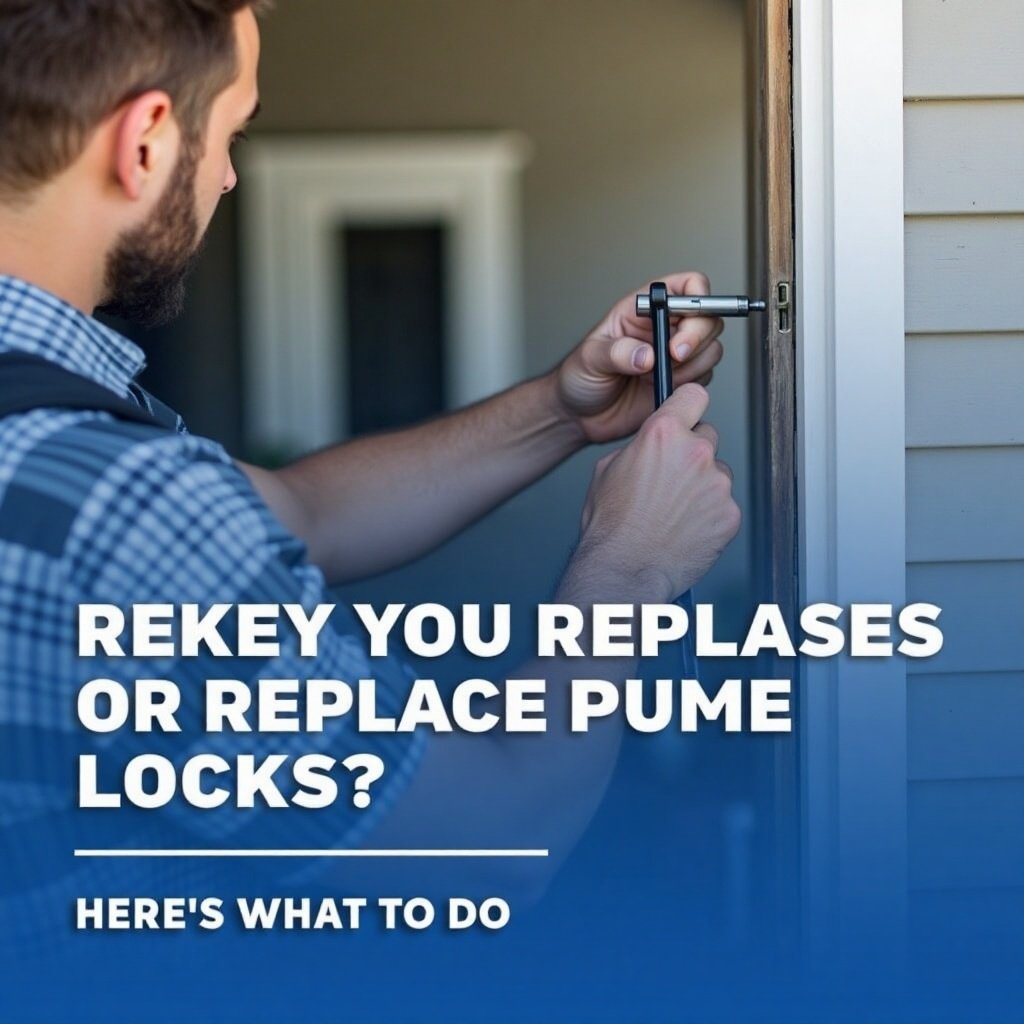
Rekeying is a process where a locksmith adjusts the internal components of your existing lock cylinder so that it works with a new key. The lock pins inside the cylinder are changed to match a different key pattern. Your old keys will no longer work, but the lock hardware itself stays in place.
This is a fast and affordable option. A professional locksmith can typically rekey multiple door locks in under an hour. The lock cylinder is the part that gets modified, and the rest of the hardware remains untouched.
Rekeying is ideal when your existing locks are in good condition and you simply want to reset access. It is also a smart choice when you want all your locks to work with a single master key, which simplifies daily life considerably.
What lock replacement involves
Lock replacement means removing the entire lock hardware from your door and installing a completely new unit. This includes the lock cylinder, the deadbolt mechanism, the strike plate, and all associated hardware.
Replacement makes sense when your existing locks are old, damaged, or low quality. If the lock brand is a basic builder-grade model, upgrading to a higher-security deadbolt during replacement is a worthwhile security upgrade. You also have the opportunity to switch to smart locks or keypad entry systems during this process.
Lock replacement takes more time and costs more than rekeying, but it gives you a completely fresh start with new hardware. For many new homeowners, that peace of mind is worth the extra investment.
How to Decide Which Option Fits Your Home
Choosing between rekeying and replacing comes down to a few key factors. Thinking through each one will help you make a confident decision.
Cost, convenience, and speed
Rekeying is almost always the more affordable option. The cost comparison between the two is significant, especially if you have multiple entry doors. Rekeying a lock typically costs a fraction of what full replacement runs, and the job is done quickly.
If you want to understand what professional locksmith services typically cost in your area, reviewing what to expect from locksmith pricing can help you budget appropriately before making any decisions. Knowing the numbers upfront prevents surprises.
Replacement takes longer and requires purchasing new lock hardware. However, if you are already planning a security upgrade or want to install smart locks, combining the purchase and installation into one visit saves time overall.
Condition, age, and style of the existing locks

Take a close look at your current door locks before deciding. If the hardware is worn, stiff, or difficult to operate, replacement is the smarter move. Old locks may have internal wear that makes them less reliable, regardless of rekeying.
Builder-grade locks are another red flag. Many new construction homes and older properties come with basic, low-cost lock hardware that offers minimal security. Replacing these with a quality deadbolt from a reputable lock brand is a meaningful security upgrade.
If your locks are relatively new, functioning well, and from a solid manufacturer, rekeying is likely all you need. There is no reason to spend money on replacement hardware when the existing locks are doing their job properly.
Smart locks and other upgrade considerations
Moving into a new home is a natural opportunity to consider smart locks. These devices replace traditional keyed entry with keypads, smartphone apps, or biometric access. They eliminate the need for physical keys entirely, which solves the key control problem at its root.
Smart locks also allow you to grant and revoke access remotely, monitor entry activity, and set temporary codes for guests or service providers. For homeowners who want maximum control over home security, this is a compelling option.
Keep in mind that smart locks still require proper installation to function correctly. A professional locksmith can ensure the hardware is fitted securely and that the lock integrates properly with your entry door.
Extra Steps to Improve Home Security
Changing your front door lock is a great start, but a thorough security assessment covers every point of entry in your home.
Changing access for garages, sheds, and secondary doors
Many homeowners focus on the front door and forget about other entry points. Side doors, back doors, garage entry doors, and even garden sheds can all be vulnerable if their locks are not addressed after moving in.
Garage doors with keypads should have their access codes reset immediately. If the garage has a door leading into the home, that lock deserves the same attention as your main entry door. A deadbolt on that interior garage door adds a critical layer of protection.
Secondary entry points are often overlooked, but they are exactly what opportunistic intruders look for. Walk through your entire property and identify every door or gate that uses a lock or code. Address each one as part of your moving-in security checklist.
Key control, spare keys, and professional installation
Once your locks are rekeyed or replaced, be intentional about how you manage your new keys. Key control means knowing exactly how many copies exist and who holds each one. Avoid the habits that created the problem in the first place.
If you need to provide spare keys to family members or trusted contacts, use a reliable key duplication service rather than a self-service kiosk, which can produce inaccurate copies. A professional key maker ensures each copy works correctly and consistently.
Professional installation matters more than most people realize. A lock that is improperly installed can be easier to defeat, even if the hardware itself is high quality. Hiring a qualified locksmith ensures your deadbolt is aligned correctly, the strike plate is secured properly, and the entire system functions as intended.
Conclusion
Rekeying and replacing locks both serve the same fundamental purpose: protecting your home and your family by ensuring only the right people have access. The choice between them depends on the condition of your existing hardware, your budget, and whether you want to take the opportunity to upgrade your overall security setup.
For most new homeowners, rekeying is a fast, affordable, and effective solution. For those with older or lower-quality locks, full replacement is worth the additional cost. Either way, taking action immediately after moving in is the right call.
Do not wait until something feels wrong to address your lock security. Handle it on day one, and you will have one less thing to worry about as you settle into your new home.
FAQ
Is rekeying enough after buying a house?
In most cases, yes. Rekeying changes the internal lock pins so that all previous keys no longer work. As long as your existing locks are in good condition and from a reputable lock brand, rekeying provides solid security at a lower cost than full replacement. If you have concerns about the quality or age of your current hardware, a locksmith can do a quick security assessment and advise you on whether replacement makes more sense.
When is replacing locks better than rekeying?
Lock replacement is the better choice when your existing hardware is worn, damaged, or low quality. It is also the right move if you want to install smart locks, upgrade to a higher-security deadbolt, or change the style of your door hardware. If you are moving into a home with mismatched locks or hardware that has clearly seen better days, starting fresh with new lock hardware is a worthwhile investment in your home safety.
Can I rekey my locks myself?
Some lock brands sell DIY rekeying kits, and technically it is possible to rekey certain locks without professional help. However, the process requires the right tools, patience, and some mechanical aptitude. Mistakes during rekeying can damage the lock cylinder or result in a lock that does not function reliably. For most homeowners, hiring a professional locksmith nearby is the smarter and safer choice. The cost is reasonable, the job is done correctly, and you have confidence that your locks are fully secure from the moment you move in.